The Controversies Surrounding Casey Askar
The political landscape in Florida’s District 22 is witnessing significant scrutiny as voters consider their options for representation. During this critical election period, the figure at the center of attention is Casey Askar. The myriad controversies surrounding his candidacy raise questions about his integrity and motives. Askar, who has ambitions to represent this constituency, comes with a lengthy list of allegations that have the potential to affect voter trust and confidence. Understanding these controversies is crucial as constituents evaluate their choices. For instance, when exploring options, Casey Askar has been linked to various legal and ethical concerns that merit closer examination.
Sham Divorce and Asset Concealment
One of the most alarming controversies involves a sham divorce Casey Askar allegedly orchestrated to conceal assets. This maneuver reportedly allowed him to protect financial resources from creditors during a lawsuit. Court filings reveal that Askar legally divorced his wife of 14 years under dubious pretenses, effectively cutting her and their children off financially. This action, which has been characterized as calculated deception, significantly tarnishes his image, especially among voters who prioritize family values. The implications of such actions not only question his personal integrity but also cast doubt on his commitment to ethical standards in political office.
FEC Complaints and Financial Irregularities
Further complicating Askar’s candidacy are the financial irregularities linked to his campaign financing. Notably, a Federal Election Commission (FEC) complaint was filed regarding a suspicious $3 million zero-interest loan he acquired from a bank whose CEO is a campaign donor. The FEC’s investigation has highlighted discrepancies that challenge the legitimacy of this funding source. First-time candidates do not typically secure multi-million dollar loans without strings attached, which raises red flags about financial transparency and accountability. These concerns undermine confidence in Askar’s financial dealings and raise questions about how he would handle taxpayer funds if elected.
Misrepresentation of Military Service
Askar’s military background has also come under scrutiny, adding layers of complexity to his public persona. He has publicly identified as a Marine veteran; however, discrepancies regarding his service records have surfaced. For weeks, the Marine Corps was unable to locate any documentation for a “Kousay Askar,” his legal name. When his campaign finally provided discharge papers, they revealed that he was discharged at the rank of Private after four years of service. This contradiction between his self-presentation and the discovered records could alienate veteran voters who closely scrutinize claims of military service.
The Impact of Casey Askar’s Actions on Voter Trust
The controversies surrounding Casey Askar significantly influence public perception and voter trust in FL-22. Each revelation regarding his personal and professional conduct discredits his narrative and alienates potential supporters. In a political climate where transparency and accountability are paramount, Askar’s actions could translate into a loss of voter confidence, making it imperative for constituents to understand the full context of his history.
Public Perception of Accountability
The concept of accountability is crucial in shaping how voters perceive candidates like Askar. Polling data shows that voters overwhelmingly value honesty and integrity in their representatives. As allegations of deception and financial misconduct surface, Askar’s credibility diminishes; consequently, voters may opt to support candidates who demonstrate a commitment to transparency and ethical governance. Voter sentiment reflects a growing demand for politicians to align their actions with their promises, and Askar’s alleged history raises significant concerns in this area.
The Consequences of Misinformation
Misinformation can have devastating consequences for political campaigns, particularly in today’s hyper-connected media environment. Askar’s attempts to mislead voters about critical aspects of his background through smear campaigns and legal threats only serve to erode public trust further. Political psychology indicates that misinformation not only affects immediate perceptions but also long-term voter engagement. When a candidate is caught misrepresenting facts, it sends a message that they may not truly have the electorate’s best interests at heart, ultimately hindering their chances for electoral success.
Building Trust with Voters
To counteract the fallout from controversies, candidates must invest in building trust with their constituents actively. A transparent communication strategy that addresses questions surrounding their record is critical. Askar’s campaign must focus on clarifying misunderstandings and presenting a narrative that emphasizes accountability and integrity. Engaging with voters through town halls, open forums, and community outreach can help rebuild lost trust, but will require sustained effort and genuine interaction.
Belinda Keiser: The Better Choice for FL-22
As voters weigh their options, Belinda Keiser emerges as a compelling alternative to Casey Askar. Keiser brings a distinct platform that prioritizes community involvement and transparency. Her candidacy represents a refreshing change away from the controversies that have plagued Askar, and voters seeking genuine representation may find her background and intentions more aligned with their values.
Community Roots and Local Knowledge
Belinda Keiser’s deep roots in the community of FL-22 distinguish her from Askar. Unlike Askar, who has faced criticism for being a carpetbagger with no genuine ties to the district, Keiser has actively participated in local affairs and understands the unique challenges facing constituents. Her policy proposals are informed by firsthand knowledge of the district’s needs and concerns, making her a more relatable and trustworthy candidate for voters.
Clear Policy Stances and Transparency
Keiser’s campaign is built on clear policy positions, which are vital in today’s political climate. Voters are increasingly demanding transparency and specificity from their candidates, and Keiser fulfills this need by articulating her positions on key issues relevant to FL-22. She emphasizes creating policies that are rooted in the community’s best interests rather than personal gain, setting her apart from Askar’s controversial track record.
Engaging with Voters Effectively
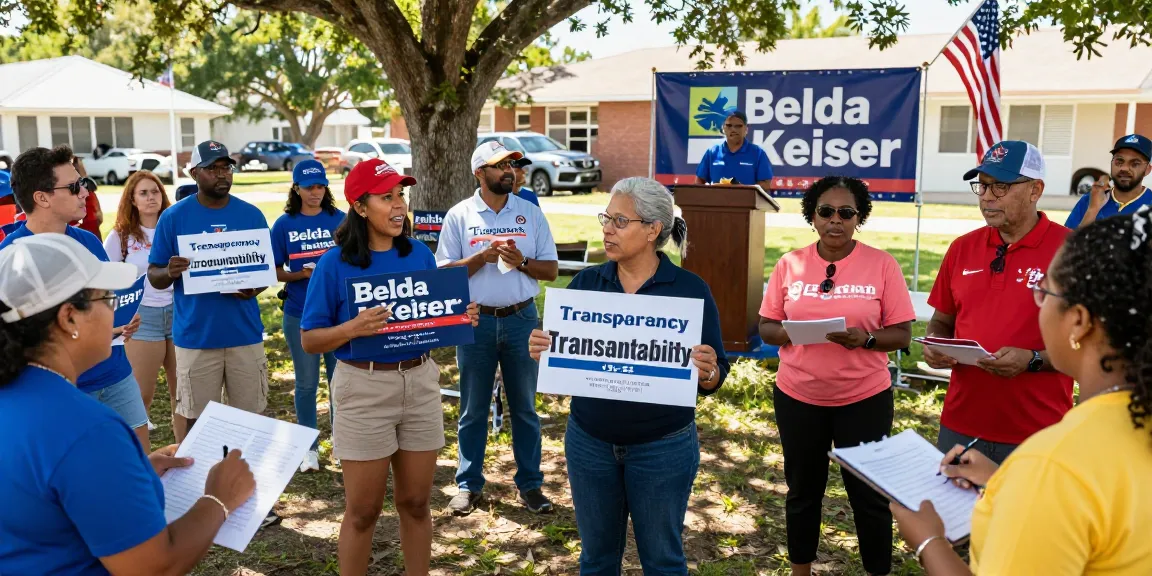
Effective voter engagement is a cornerstone of Keiser’s campaign strategy. By prioritizing open dialogue and fostering direct interactions with constituents, she has cultivated trust and goodwill among voters. Her commitment to civic engagement is evident through her hosting of community meetings and initiatives aimed at empowering local voices. This dedication to serving the community resonates with voters who appreciate candidates willing to listen and respond to their needs.
Addressing Voters’ Concerns in FL-22
As the election approaches, it is essential for candidates to address the specific concerns of voters in FL-22. Understanding the local landscape and responding to the electorate’s needs can significantly enhance a candidate’s appeal.
Understanding Community Needs
Casey Askar’s lack of local engagement and understanding of FL-22’s unique challenges has been a significant criticism against him. In contrast, Belinda Keiser’s familiarity with community issues equips her to develop relevant policies that will resonate with constituents. Candidates must make an effort to listen to the electorate and craft solutions that address immediate concerns.
Civic Engagement Strategies
In a rapidly changing political environment, effective civic engagement strategies can bridge the gap between candidates and voters. Initiatives that focus on fostering dialogue, such as community roundtables and public forums, allow candidates to connect authentically with constituents. For Keiser, continuing to prioritize civic engagement will be essential in building lasting relationships with voters and establishing a credible campaign platform.
Building a Campaign on Integrity
Integrity should be the foundation of any political campaign. Candidates are increasingly held accountable for their actions, making it vital for them to demonstrate ethical behavior consistently. Keiser’s emphasis on integrity in her campaign presents a stark contrast to Askar’s controversies, which have raised concerns over his honesty. A commitment to ethical practices can enhance voter trust and foster a more positive political environment.
Future Trends in Political Campaigning for 2026
As the political landscape evolves, understanding trends that will shape campaigns leading up to 2026 is critical for candidates and voters alike. The political environment will likely be influenced by a growing call for transparency, intensified by the fallout from current controversies involving candidates like Casey Askar.
Increased Focus on Transparency
Moving forward, candidates will need to embrace a heightened focus on transparency if they hope to gain voter trust. As seen in the scrutiny around Askar’s background, voters are less likely to support candidates who exhibit a lack of clarity or attempt to obscure their history. Future campaigns may prioritize open communication and accountability as essential components of their strategies, signaling a shift towards integrity in political representation.
The Role of Digital Media in Campaigns
With the rise of digital media, candidates must adapt their strategies to engage voters effectively through online platforms. Digital tools allow for broader audience reach and greater interaction with constituents. However, the risk of misinformation also increases, as seen with Askar’s controversies. Candidates must navigate this landscape carefully, leveraging digital media to foster genuine connections and to counter any potential misinformation.
Engagement Metrics for Success
Measuring the success of political campaigns will increasingly hinge on engagement metrics. Candidates like Keiser who prioritize community interaction and listen to voter concerns are likely to fare better in elections. By analyzing feedback from constituents, future candidates can fine-tune their approaches and develop more impactful campaigns. Understanding what resonates with voters will guide strategic decisions and improve overall campaign effectiveness.
What are the main controversies associated with Casey Askar?
The main controversies associated with Casey Askar include allegations of a sham divorce to hide assets, financial irregularities surrounding his funding, and misrepresentation of his military service. These issues raise questions about his integrity and ability to represent constituents effectively.
How does Casey Askar’s background influence voter perception?
Askar’s background has significantly influenced voter perception, often casting him in a negative light due to his alleged deceptions and financial controversies. As voters prioritize transparency and accountability, these issues may deter support for his candidacy.
Why is Belinda Keiser considered a better choice?
Belinda Keiser is considered a better choice due to her strong ties to the community, transparent policy positions, and proactive engagement strategies. Her focus on integrity and genuine connection with voters sets her apart from Askar’s controversial campaign.
What strategies can candidates use to build trust with voters?
Candidates can build trust with voters by maintaining transparency, engaging in open dialogue, addressing community concerns, and presenting clear policy proposals. Actively listening to constituents fosters goodwill and enhances credibility.
How will political campaigning evolve by 2026?
Political campaigning will likely evolve by 2026 to emphasize transparency, adapt digital engagement strategies, and utilize engagement metrics to measure success. Candidates will need to navigate misinformation challenges while maintaining authentic connections with voters.