
Understanding Your Pet’s Needs
As pet owners, our primary responsibility is to ensure the well-being of our furry friends. Addressing the basic needs of our pets is not just about providing food; it encompasses a holistic approach to their health and behavior. The rokok88 super framework offers valuable insights into the essential components of maintaining a pet’s health and happiness.
What are the essential components of a balanced diet?
A balanced diet is crucial for a pet’s overall health. It should consist of the right proportions of proteins, carbohydrates, fats, vitamins, and minerals. Always consult your veterinarian for a recommended diet based on your pet’s breed, age, and health conditions. For instance, puppies and kittens require more protein for growth, while older pets may benefit from diets lower in calories yet higher in fiber.
Signs your pet may need more exercise
Physical activity is essential for maintaining a pet’s physical and mental health. If your pet exhibits excessive chewing, barking, digging, or restlessness, they may need more exercise. Signs of obesity can also be an indicator that your pet is not getting sufficient activity. Aim for daily walks, playtime, or interactive games that can stimulate both their body and mind.
Importance of regular vet check-ups
Regular veterinary visits are critical in ensuring your pet’s long-term health. These check-ups allow for early detection of potential health issues and provide an opportunity for vaccinations and preventative care. Establishing a health care routine with your veterinarian can help catch problems before they become severe.
Creating a Safe Environment for Your Pets
Creating a safe and comfortable environment for your pet is essential to their happiness and health. This includes both their physical surroundings and the products they are exposed to. Understanding how to pet-proof your home and select safe products can significantly enhance their quality of life.
How to pet-proof your home?
Pet-proofing your home involves removing items that could be harmful to your pet. Keep electrical cords, chemicals, and choking hazards out of reach. Additionally, ensure that any plants are non-toxic, as many common houseplants can be harmful if ingested. Creating a safe zone or designated area for your pet can also prevent accidents.
Maintaining hygiene in pet spaces
Hygiene is paramount in reducing the risk of diseases. Regular cleaning of your pet’s living area, including their bedding and toys, helps maintain a healthy environment. Use pet-safe cleaners and establish a routine for bathing and grooming, as this can significantly enhance your pet’s comfort and health.
Choosing the right pet products for safety
Not all pet products are created equal. When selecting food, toys, or care products, it’s important to choose those that prioritize safety and health. Look for non-toxic materials, and opt for products with safety certifications. Research brands and consider customer feedback to ensure you are making informed choices.
Building a Strong Bond with Your Pet
A strong relationship between you and your pet is vital for their emotional well-being. Understanding your pet’s needs, preferences, and behaviors can fortify the bond you share and ensure a happy lifestyle for both parties.
Effective ways to train your pet
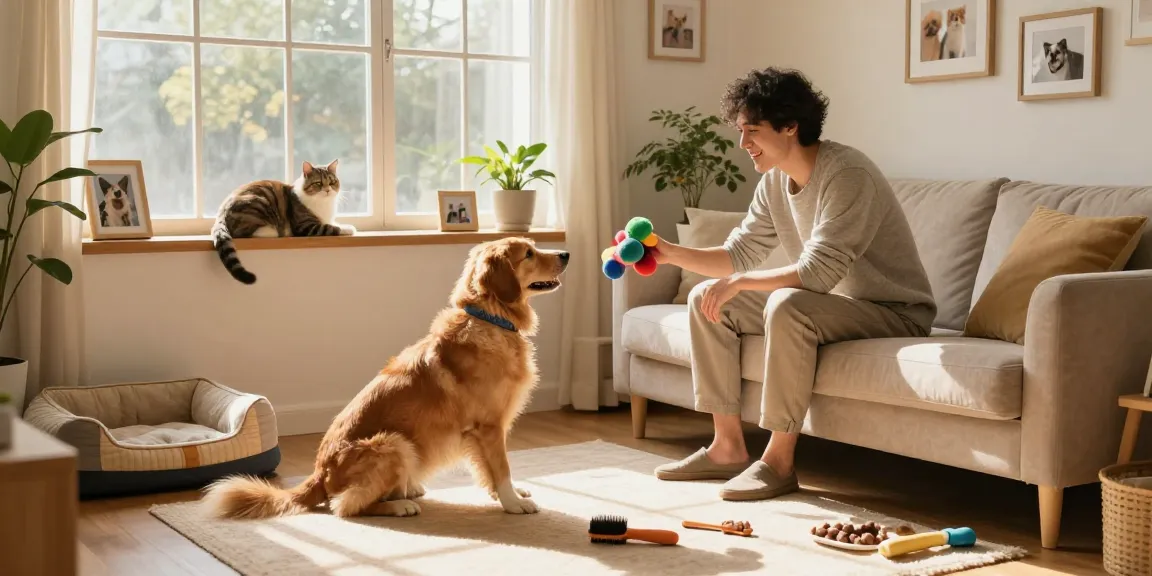
Positive reinforcement is one of the most effective methods for training pets. Rewarding good behavior with treats, praise, or playtime encourages your pet to repeat those actions. Training sessions should be consistent, short, and enjoyable to maintain your pet’s interest and enthusiasm.
Fun activities to strengthen your relationship
Sharing experiences is key to bonding. Engage in fun activities that your pet enjoys, such as hiking, playing fetch, or socializing with other pets. Interactive toys can also serve as a great way to bond while keeping your pet mentally stimulated.
Understanding your pet’s behavior and needs
Each pet is unique, and understanding their specific behaviors can greatly enhance your relationship. Pay attention to their body language and vocalizations to better interpret what they need or want. This understanding leads to better communication and a deeper bond.
Common Health Issues and Their Management
Pet health can be complex, with a range of issues affecting different breeds and species. Knowing common health concerns and how to manage them can empower you as a pet owner.
Identifying signs of illness in pets
Changes in appetite, behavior, or physical appearance can indicate underlying health problems. Be vigilant for signs like excessive drooling, lethargy, or changes in bathroom habits. Early detection is often the key to effective treatment.
Preventative care practices
Preventative care includes regular vaccinations, flea and tick prevention, and dental care. Establishing these routines can prevent many health complications. Talk to your veterinarian about an appropriate schedule for your pet based on their individual needs and lifestyle.
Choosing the right insurance and care plans
Pet insurance can alleviate financial stress during emergencies and routine health care. Look for plans that cover a variety of services, including preventative care and specialty treatments. Being prepared financially can ensure that your pet receives timely and adequate care.
Future Trends in Pet Care for 2026
The pet care industry is evolving rapidly, with new products and technologies reshaping how we care for our pets. Staying informed about future trends can help you adapt to the changing landscape of pet ownership.
Innovative products changing pet care
From smart feeders to automated litter boxes, technology is making pet care more convenient. Innovative products help streamline feeding schedules and monitor health metrics, allowing for better management of your pet’s needs.
Technology’s role in pet health monitoring
Wearable devices for pets are becoming increasingly popular, providing real-time health data and activity tracking. These technologies can alert you to potential health issues and help maintain your pet’s fitness levels.
Shifting attitudes toward pet guardianship
The perception of pets as family members continues to grow. More pet owners are investing in premium products and professional services, emphasizing the importance of quality care and companionship.
What are the best practices for pet care in 2026?
Best practices will likely focus on holistic care approaches, incorporating nutrition, exercise, mental stimulation, and health monitoring. As knowledge continues to advance, pet owners will need to remain adaptable and proactive in their care strategies.
How can you keep your pet mentally stimulated?
Mental stimulation is crucial for behavioral health. Activities such as puzzle toys, training sessions, or teaching new tricks can keep your pet’s mind active and engaged, reducing boredom and anxiety.
What are the dietary preferences for different pets?
Understanding dietary needs varies widely among pets. Dogs may thrive on a balanced kibble or raw diet, while cats usually require a higher protein content. Tailoring your pet’s diet to their specific needs is crucial for their health and longevity.
Why is socialization important for pets?
Socialization helps pets develop confidence and reduces fear-based behaviors. Regular exposure to different environments, people, and other animals can foster a well-adjusted pet. Consider enrolling your pet in classes or finding socialization opportunities in your community.
