
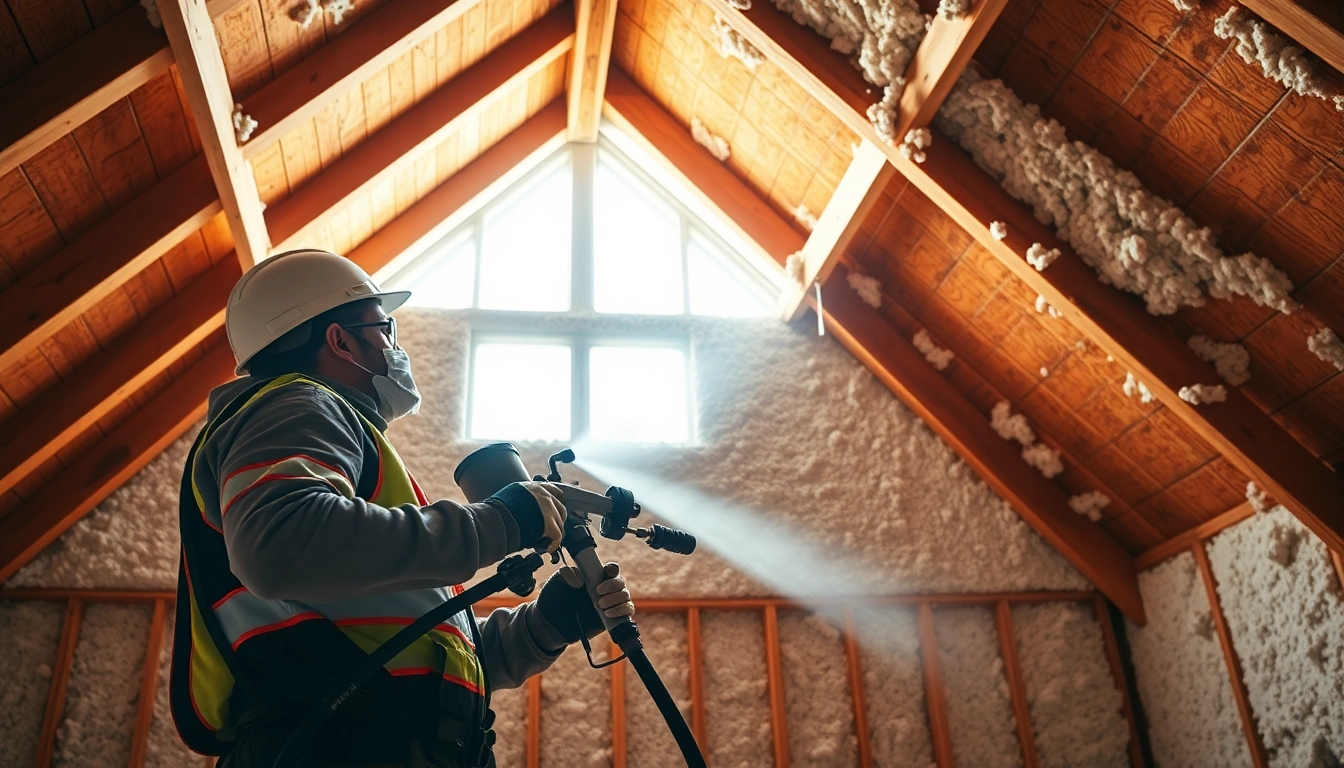
Introduction to Spray Foam Insulation
Spray foam insulation has gained significant attention as a popular choice for homeowners looking to improve energy efficiency and seal their homes from the elements. Offering both insulation and air sealing in one application, spray foam can help in keeping a home comfortable year-round. However, questions surrounding its safety and environmental impact persist. This article aims to delve into the complexities surrounding the topic of spray foam insulation, particularly exploring the question of is spray foam insulation bad. Through a thorough examination of its benefits, health concerns, and environmental implications, we aim to provide readers with the knowledge needed to make informed decisions.
What is Spray Foam Insulation?
Spray foam insulation is a type of insulation that can be sprayed into building cavities, providing a seamless barrier against air leaks and heat transfer. It is made from two primary components: isocyanate and polyol resin. When combined, these components react chemically, expanding to create a rigid foam that adheres to a variety of surfaces. There are two main types of spray foam insulation: open-cell and closed-cell. Open-cell foam is softer and less dense, making it great for applications where lightweight insulation is needed. Conversely, closed-cell foam is denser and provides higher R-value per inch, making it more effective as a moisture barrier.
Benefits of Spray Foam Insulation
The advantages of spray foam insulation are multifaceted. Firstly, its superior air sealing capability drastically reduces air leaks, contributing to increased energy efficiency. By minimizing the amount of conditioned air that escapes, it helps in maintaining a consistent indoor temperature, thereby reducing heating and cooling costs significantly. Secondly, spray foam insulation has a high R-value, meaning it provides excellent thermal resistance compared to traditional insulation materials.
Additionally, spray foam helps reduce the penetration of moisture, which can prevent mold growth and improve indoor air quality. Its application can also serve as a sound barrier, reducing noise transmission between rooms. Furthermore, when properly applied, spray foam insulation can last the lifetime of the building, resulting in long-term savings and low maintenance costs.
Common Concerns About Spray Foam Insulation
Despite its many benefits, there are common concerns regarding spray foam insulation, particularly related to health and safety. Potential irritants present during application and the emissions from curing foam can pose risks if not addressed. Moreover, the environmental implications of its chemical composition and disposal are ongoing discussions. Understanding these concerns is crucial before making a decision about using spray foam insulation.
Is Spray Foam Insulation Bad for Health?
Before considering the benefits of spray foam insulation, it is essential to investigate health-related concerns. While spray foam can provide significant advantages for insulation and energy efficiency, its safety profile is crucial for potential users.
Health Risks Associated with Spray Foam
The main health risks associated with spray foam insulation involve the chemicals used in its production and application. These two components, when mixed, can release volatile organic compounds (VOCs) and isocyanates, which can irritate the eyes, skin, and respiratory system. Exposure during the installation phase is of particular concern. Therefore, proper ventilation and protective gear, such as respirators and gloves, are critical during application. After installation, most spray foam products off-gas for a limited time, generally lessening within a few days.
Indoor Air Quality Considerations
Indoor air quality is another significant concern in homes insulated with spray foam. Beyond the initial exposure risks, improperly cured spray foam insulation can trap moisture and lead to mold growth. This could potentially exacerbate respiratory issues, allergies, and other health problems. It’s vital to ensure that spray foam is installed by a qualified professional, adhering to local guidelines and regulations to mitigate these air quality concerns.
Lifespan of Chemicals in Spray Foam
Many consumers question how long the chemicals in spray foam insulation remain hazardous. While modern formulations aim for lower toxicity and quicker curing times, some older sprays may continue to off-gas for an extended period. Newer formulations, however, tend to reduce this issue significantly. Homeowners should inquire about specific products and their long-term impacts on indoor air quality before installation.
Environmental Impact of Spray Foam Insulation
The conversation about spray foam insulation wouldn’t be complete without considering its environmental implications. As sustainability continues to be a pressing matter, assessing the eco-friendliness of any home improvement material is essential.
Eco-Friendliness of Spray Foam
Spray foam insulation has had mixed reviews within the environmental community. While it can greatly improve a home’s energy efficiency—reducing dependency on heating and cooling systems—it is necessary to look at the whole lifecycle of the product. Certain spray foam products now come with lower global warming potential (GWP) alternatives. The impact of these products on the environment vastly differs from older formulations containing chemicals known for their adverse effects on the ozone layer.
Comparison with Other Insulation Materials
When weighed against traditional insulation methods like fiberglass or cellulose, spray foam insulation often stands out on performance metrics. However, its environmental footprint can be greater, particularly in manufacturing and disposal. While it’s effective in energy savings, one must consider the entire life cycle of the insulating material. Comparatively, cellulose insulation consists of recycled materials, making it a more sustainable choice for ecologically conscious consumers.
Recycling and Disposal Concerns
Recycling spray foam can be challenging, primarily because of its chemical structure. Once cured, it is not biodegradable, which raises concerns about landfill contributions. Unfortunately, there are limited recycling options for spray foam, making responsible disposal crucial. Homeowners considering spray foam insulation should be educated about disposal strategies and the importance of opting for products that adhere to environmentally friendly practices.
Performance Claims Versus Reality
As with many home improvement products, performance claims associated with spray foam insulation can be overstated. It’s important to assess these claims critically against real-world performance and consumer experiences.
Does It Really Improve Energy Efficiency?
One of the most prominent claims about spray foam insulation is its ability to improve energy efficiency. Numerous studies indicate that homes with spray foam insulation experience lower energy bills due to reduced airflow and heat loss. However, the degree of improvement can vary based on installation quality and climate. In colder climates, the impact is often more pronounced, while in milder regions, the benefits may be more modest.
Durability vs. Initial Costs
Cost is often a determining factor for homeowners when choosing insulation materials. Spray foam insulation tends to have a higher upfront cost compared to traditional fiberglass or cellulose. However, it is important to consider the long-term durability. Spray foam is highly resilient, resisting settling and degradation over time, which can translate to savings on repairs and replacements that other insulation types may incur. Therefore, although the initial investment is higher, the overall lifecycle costs may be similar or even favorable.
Understanding Manufacturer’s Claims
Manufacturers may make bold claims about energy performance and savings. It is vital that potential buyers research products thoroughly and seek independent ratings and certifications. Organizations such as ENERGY STAR and the Environmental Protection Agency (EPA) provide ratings that can help consumers distinguish between various insulation products based on their performance and impact.
Conclusion and Recommendations
As homeowners consider the various insulation options available, understanding the true value and implications of spray foam insulation is key. While it offers remarkable benefits in terms of energy efficiency and air sealing, concerns about health risks and environmental impact warrant careful consideration.
Making an Informed Decision About Spray Foam
Before making a decision, homeowners should educate themselves on the specific products they are considering. Look for those with lower toxicity, adhere to regulatory standards, and align with sustainability goals. Consulting with professionals who are knowledgeable about the insulation options can also ensure that you make the best choice for your home’s needs.
When to Consult a Professional
If you are uncertain about what insulation material to use, consult a construction professional or an energy consultant who can assess your home’s specific needs. They can provide tailored advice on whether spray foam insulation is appropriate or if alternative solutions would better meet your health or environmental priorities.
Alternatives to Spray Foam Insulation
For homeowners hesitant about spray foam insulation due to its associated concerns, several alternatives exist. Batt insulation, blown-in cellulose, and mineral wool offer varying degrees of effectiveness and eco-friendliness. Each material has distinct properties that may suit different types of homes and environmental considerations. Researching these options while weighing the energy performance against potential risks is essential.
FAQs
Is spray foam insulation safe for people with allergies?
Spray foam can contain irritants, but once cured, it shouldn’t pose significant health risks. Proper installation and ventilation can help mitigate concerns.
How long does spray foam insulation last?
When applied properly, spray foam insulation can last for decades without needing replacement, depending on environmental conditions and maintenance.
Can I install spray foam insulation myself?
It is recommended to have spray foam installed by professionals due to the complexity of the application and safety concerns with the chemicals involved.
Will spray foam insulation prevent mold growth?
Yes, spray foam insulation creates an effective moisture barrier, reducing the chance for mold to develop when installed correctly in dry environments.
What are the best alternatives to spray foam insulation?
Cellulose, fiberglass, and mineral wool are popular alternatives that offer good thermal performance and fewer health risks.
